Understanding the term
What are “DHT blockers”?
DHT, or dihydrotestosterone, is a potent androgen made from testosterone. In people whose facial hair follicles are sensitive to androgens, these hormones can encourage fine hairs to become darker, thicker terminal hairs.
“DHT blocker” is a popular umbrella term, but it is not one single treatment. Some prescription medicines reduce androgen production, block androgen receptors, or reduce the conversion of testosterone to DHT. In women with hirsutism, clinicians more often use the broader term anti-androgen treatment.
These medicines do not instantly remove existing facial hair. Their purpose is generally to slow new androgen-driven growth, reduce coarseness over time, and help prevent additional follicles from becoming strongly stimulated.
PCOS & unwanted hair
How can anti-androgen treatment help PCOS-related facial hair?
PCOS can involve higher androgen levels or increased sensitivity to androgens. This can contribute to hirsutism, acne, scalp hair thinning and irregular menstrual cycles. Treatment is individual and may include lifestyle support, a combined oral contraceptive, an anti-androgen, or another medicine chosen by your prescriber.
Slower growth
New facial hairs may grow more slowly, helping extend the time between removal sessions.
Finer regrowth
Some hairs may gradually become less coarse or noticeable, although results vary.
Fewer newly stimulated hairs
Hormonal management may reduce the ongoing recruitment of new terminal hairs.
Results take time
Hair grows in long cycles. Prescription treatment commonly needs around six months before its full effect on hirsutism can be judged. Medication controls the hormonal signal; it does not permanently destroy hairs that are already established.
Understanding visible facial hair
Hormonal hair growth can affect the upper lip, chin and jawline
For some clients, PCOS and other hormonal influences can contribute to persistent facial hair. An individual electrolysis assessment can help identify an appropriate plan.
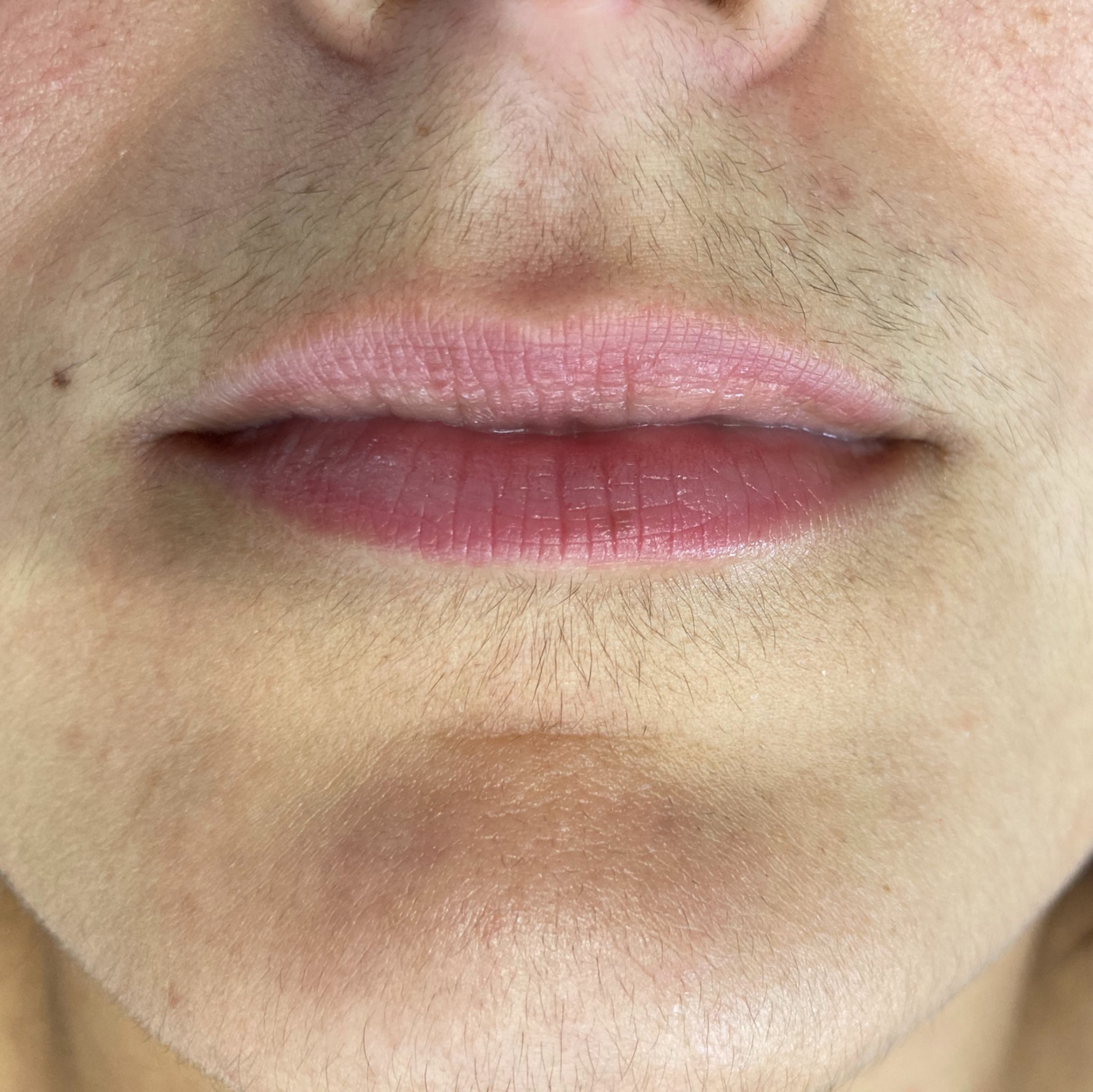
Illustrative close-up showing facial hair growth.
Medicines your prescriber may discuss
Common medical options
The right option depends on your symptoms, medical history, blood pressure, other medicines, pregnancy plans and test results. Not every medicine below is appropriate or funded for every person, and some uses may be off-label.
Accessing treatment in New Zealand
How do you get it prescribed?
Start with your GP. Explain when the hair growth began, whether it has changed quickly, your menstrual pattern, acne, scalp hair changes, weight or metabolic concerns, medicines and supplements, and any family history of hormonal conditions.
Seek medical assessment promptly if hair growth changes suddenly
Rapid new facial or body hair, voice deepening, increased muscle mass, severe scalp hair loss or other signs of virilisation need medical investigation rather than cosmetic treatment alone.
Who may not be suitable?
Safety, pregnancy and side effects
Pregnancy precautions
Anti-androgen medicines can affect fetal development and are generally avoided during pregnancy. Effective contraception is commonly required when anti-androgens are prescribed to someone who could become pregnant. Discuss plans to conceive, breastfeeding and contraception with your prescriber.
Monitoring may be needed
Depending on the medication, clinicians may monitor blood pressure, kidney function, potassium, liver function or other factors. Tell your prescriber about all medicines and supplements, including potassium products and blood-pressure medicines.
Possible side effects vary by medicine and may include dizziness, fatigue, headache, nausea, increased urination, breast tenderness, menstrual changes, reduced blood pressure, altered potassium levels or skin irritation from topical products. Serious adverse effects are less common but require individual medical screening.
A combined approach
Why medication and electrolysis can work well together
Medication manages the hormonal driver. It may slow growth and reduce the stimulation of additional follicles, but it cannot reliably erase every existing terminal hair.
Electrolysis treats the existing hair follicle. A fine sterile probe is inserted into each follicle and controlled energy is applied to destroy its ability to produce hair. It works independently of hair colour and skin tone.
For clients with PCOS or another ongoing hormonal influence, consistent electrolysis plus appropriate medical management may offer a more stable strategy than repeatedly removing the same hairs temporarily. Hormonal changes can still activate previously untreated follicles later, so maintenance may occasionally be needed even after a successful clearance programme.
Important facial laser risk
Paradoxical hypertrichosis
Rarely, laser or IPL intended to reduce hair can instead stimulate darker, coarser or denser hair in the treated area or nearby.
Paradoxical hypertrichosis is a recognised, uncommon adverse effect of laser and intense pulsed light hair removal. Research finds it is strongly associated with treatment of the face and neck. The exact cause is not fully understood; sub-therapeutic heat may stimulate follicles rather than disable them.
Risk may be more relevant when treating fine or mixed facial hair, when energy settings are too low, or where there is an underlying hormonal tendency such as PCOS. Laser can be helpful for appropriately selected coarse, dark hairs, but it should not be presented as the correct solution for every face or every hair type.
I see clients who were reassured that laser was the obvious answer, yet arrived after treatment with more visible facial hair than they had before. This does not mean every laser treatment causes stimulation. It means clients deserve an honest discussion of suitability, device type, settings, hormonal history and this recognised risk before consenting.
Already experienced increased hair after laser?
Stop repeatedly treating fine stimulated hairs without reassessment. Speak with a qualified medical professional about possible hormonal causes and book an electrolysis consultation to discuss a follicle-by-follicle treatment plan.
Choosing the right method
Facial laser versus electrolysis
Laser or IPL
- Works by targeting pigment and is most effective on suitable coarse, dark hair.
- Usually described as long-term hair reduction rather than guaranteed permanent removal of every hair.
- Does not effectively treat white, grey, red or very blonde hair.
- Facial and neck treatment carries a recognised risk of paradoxical stimulation.
Electrolysis
- Treats individual follicles and works on every hair colour and every skin tone.
- Can selectively remove coarse hairs while leaving surrounding fine hair untouched.
- Is appropriate for smaller facial areas and hormonally driven mixed hair patterns.
- Requires repeated sessions because hairs appear in different growth cycles.
Frequently asked questions
FAQs
Will spironolactone remove the facial hair I already have?
No. It may slow growth and reduce coarseness over time, but established terminal hairs usually still need a removal method. Electrolysis can permanently treat those individual follicles.
Do I need to have PCOS to be prescribed an anti-androgen?
Not necessarily. Hirsutism can have several causes, and some people have androgen-sensitive follicles even when routine blood tests are within reference ranges. Your prescriber decides whether medication is appropriate after assessment.
Can I take a “natural DHT blocker” instead?
Supplements marketed as natural hormone blockers are not automatically safe or effective, can interact with medicines, and may be unsuitable during pregnancy. Discuss any supplement with your GP or pharmacist before taking it.
Can I have electrolysis while taking spironolactone?
Spironolactone itself does not normally prevent electrolysis, but disclose all medicines and medical conditions on your consultation form. Your treatment and skin response will be assessed individually.
Should I stop laser immediately if I notice more facial hair?
Arrange a reassessment before continuing. Increased density, coarsening or spread beyond the original area should be documented and reviewed by an appropriately qualified practitioner. A medical hormonal assessment may also be useful.
Does electrolysis make hormonal hair grow back?
A follicle that has been successfully destroyed cannot produce another hair. However, ongoing hormonal stimulation can activate other follicles that were not previously producing visible terminal hair. These are new hairs from different follicles, not the treated follicle returning.
Private studio for women & trans women
Start with an electrolysis consultation.
We can assess the visible hair pattern, discuss previous laser treatment, explain realistic timelines and create a personalised treatment plan. Medical diagnosis and prescriptions remain with your healthcare provider.
Evidence & further reading
Sources
- Health New Zealand — Polycystic ovary syndrome (PCOS)
- Healthify NZ — Polycystic ovary syndrome
- DermNet NZ — Anti-androgen therapy
- 2023 International Evidence-based Guideline for PCOS
- Systematic review and meta-analysis — paradoxical hypertrichosis after laser and light hair removal
Educational information only. Medicine availability, clinical guidance and individual suitability may change. Consult your New Zealand healthcare professional.